
Colonoscopy
Screening colonoscopy
A preventative or screening colonoscopy is performed on a patient who does not have any gastrointestinal symptoms such as diarrhea, constipation, bleeding per rectum, etc. This patient is also typically 50 years of age or older and has no personal or family history of colon polyps and/or cancer. It is done to make sure that the colon is healthy and properly functioning.
Diagnostic colonoscopy
A diagnostic colonoscopy is performed on a patient who has gastrointestinal symptoms such as abdominal pain, diarrhea, rectal bleeding, etc. A patient who has past and/or present polyps, gastrointestinal disease or family history of colon cancer/polyps would also undergo diagnostic colonoscopy.
Read more in our health library
- Colonoscopy PDF guide
- Colon Polyps PDF guide
- Colon and Rectal Cancer PDF guide
Questions patients ask
What is colonoscopy?
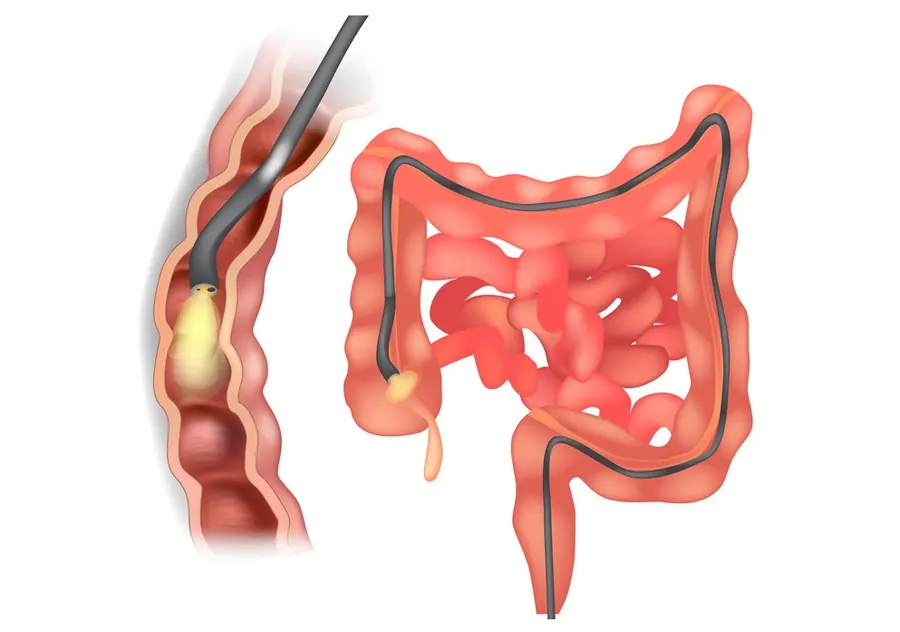
- Colonoscopy is a procedure that enables your doctor to see the lining of your colon (large intestine) to find any abnormalities
- The doctor uses a thin, flexible tube called an endoscope that has its own lens and light source that displays images on a video monitor
When should I get screened for cancer?
Typically, colonoscopy should be done after the age of 50 to check for any polyps. If you have family history of colorectal cancer or polyps, colonoscopy should be done for those who are younger
Why is screening for colorectal cancer important?
Most early forms of colorectal cancer do not cause symptoms. Symptoms may appear at a more advanced stage. Early detection helps with chances for cure.